Understanding Tendonitis vs. Tendinosis: Causes, At-Home Care, and Advanced Treatment Options

Tendon pain is one of the most common issues brought into a sports medicine clinic. Whether you are an athlete training for a marathon, a weekend warrior, or someone experiencing persistent pain from daily routines, tendon discomfort can severely affect your mobility and quality of life.
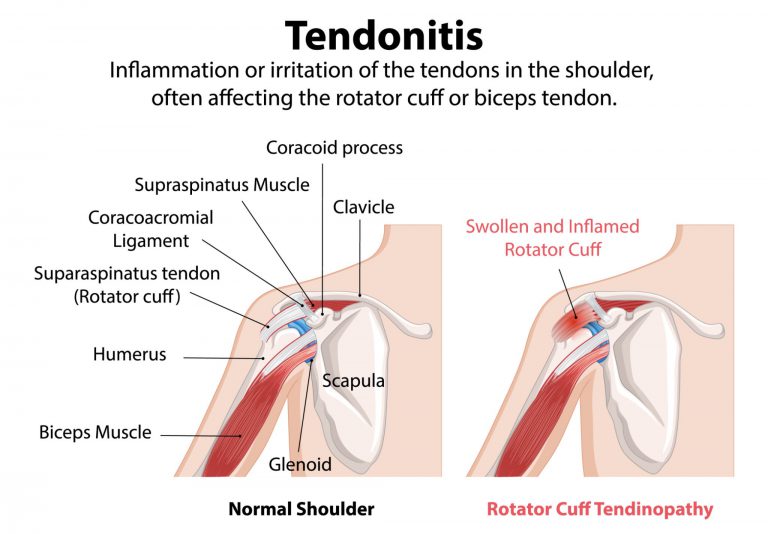
Two terms frequently come up when discussing tendon pain: tendonitis and tendinosis. While they sound similar and both affect tendons—the thick, fibrous cords attaching muscle to bone—they represent distinct conditions that require different management strategies.
- Physical Evaluation
- In-office Ultrasound
- Joint Injection
- Physical Therapy
Tendonitis vs. Tendinosis: What’s the Difference?
Tendon issues typically develop when the load placed on a tendon exceeds its capacity to adapt and repair. Frequent causes include:
- Repetitive Overuse: Continuous repetitive motions—such as running, jumping, throwing, tennis, or repetitive typing—without adequate rest.
- Sudden Load Increase: Rapidly increasing exercise intensity, duration, or weight without giving tendons time to adapt.
- Improper Biomechanics & Technique: Poor form during sports or everyday movements, leading to uneven pressure on specific tendons.
- Suboptimal Gear: Unsupportive footwear or ill-fitting athletic equipment.
- Age-Related Changes: As we age, tendons naturally lose flexibility and blood flow, making them more vulnerable to injury and slower to heal.
Common Causes of Tendon Pain
Tendon issues typically develop when the load placed on a tendon exceeds its capacity to adapt and repair. Frequent causes include:
- Repetitive Overuse: Continuous repetitive motions—such as running, jumping, throwing, tennis, or repetitive typing—without adequate rest.
- Sudden Load Increase: Rapidly increasing exercise intensity, duration, or weight without giving tendons time to adapt.
- Improper Biomechanics & Technique: Poor form during sports or everyday movements, leading to uneven pressure on specific tendons.
- Suboptimal Gear: Unsupportive footwear or ill-fitting athletic equipment.
- Age-Related Changes: As we age, tendons naturally lose flexibility and blood flow, making them more vulnerable to injury and slower to heal.
Initial At-Home Management
When tendon pain first appears, conservative home care can help manage symptoms and promote recovery:
- Activity Modification & Rest: Temporarily reduce or modify activities that provoke the pain. Swap high-impact activities for low-impact alternatives like swimming or cycling.
- Targeted Ice Application: Apply an ice pack wrapped in a thin towel to the affected area for 15–20 minutes at a time, 2 to 3 times daily, to reduce acute soreness.
- Gentle Range of Motion: Perform light, painless movement to prevent joint stiffness without straining the healing tissue.
- Support or Elevation: Use supportive wraps, braces, or footwear if recommended to take tension off the affected area.
The 7-Day Rule: When to Schedule a Consultation
At-home care is a great starting point, but timing is critical. If your tendon pain does not noticeably improve or resolve within 7 days of home treatment, it is time to schedule an evaluation with a sports medicine physician.
Continuing to push through tendon pain past the one-week mark increases the risk of turning an easily treatable, acute tendonitis into a long-term, degenerative tendinosis or triggering a full structural tear.
What to Expect at Your Consultation
When you come into our clinic for a specialized evaluation, we take a comprehensive approach to get to the root of your pain.
- Focused Physical Examination: We assess your localized tenderness, joint range of motion, muscle strength, and specific movement patterns or biomechanical imbalances contributing to the strain.
- High-Resolution Ultrasound Exam: Diagnostic ultrasound allows us to visualize your tendon in real-time right in the clinic to distinguish between acute inflammation (tendonitis) and chronic collagen degradation (tendinosis), identify structural micro-tears or fluid, and assess dynamic movement.
- Tailored Treatment Plan: Based on our exam and ultrasound findings, we customize a comprehensive recovery strategy, which may include targeted oral medications, ultrasound-guided injections, and a structured rehabilitation exercise protocol (such as progressive eccentric loading).
Don’t Let Tendon Pain Hold You Back
Tendon issues respond best when caught early, but it is never too late to seek help. If you have been managing new tendon discomfort for a week without relief—or if you have been living with chronic, long-standing tendon pain for months or even years—you do not have to accept persistent pain as your new normal.
Long-term tendon degeneration (tendinosis) rarely resolves on its own without targeted clinical care, but effective non-surgical options are available. Reach out to our office today to schedule your comprehensive consultation and take the first step toward lasting recovery.
Experience the Dr. Singh Difference at Virginia Orthopedics and Sports Medicine
Dr. Singh’s commitment to performing all injections with ultrasound guidance reflects our practice’s dedication to employing the most advanced, patient-centric techniques available. Her expertise ensures that you receive the most precise, effective, and safest possible treatment for your musculoskeletal condition.
We believe in empowering our patients with the best care. If you are experiencing pain or limited function in your joints, tendons, or spine, we encourage you to discover the significant benefits of ultrasound-guided injections at Virginia Orthopedics and Sports Medicine.
Contact us today to schedule a consultation with Dr. Singh and learn how precision injections can help you achieve lasting relief and a faster return to your favorite activities.
Orthopedic Specialists in Fairfax, VA
As a leader in sports medicine in Northern Virginia, VOSM helps athletes of all levels—from weekend warriors to professionals—recover quickly and safely. Our sports medicine doctors focus on non-surgical treatments first, with surgery as a last resort. We work closely with physical therapists to develop rehab plans that reduce downtime and support long-term joint health.
Conveniently Located in Fairfax, VA
Virginia Orthopedics and Sports Medicine is centrally located in Fairfax, VA, making it easy for patients from Northern Virginia, Arlington, Falls Church, and surrounding areas to access high-quality bone and joint care. Our modern facility is equipped to handle everything from on-site imaging to same-day orthopedic consultations.
Schedule an Appointment with Virginia Orthopedics in Fairfax Today
If you’re experiencing joint pain, limited mobility, or suspect a bone injury, don’t wait. Trust the experienced team at Virginia Orthopedics and Sports Medicine in Fairfax, VA to deliver compassionate, expert care.
📞 Call 703-646-1270 or
🌐 Click below to book your appointment today.