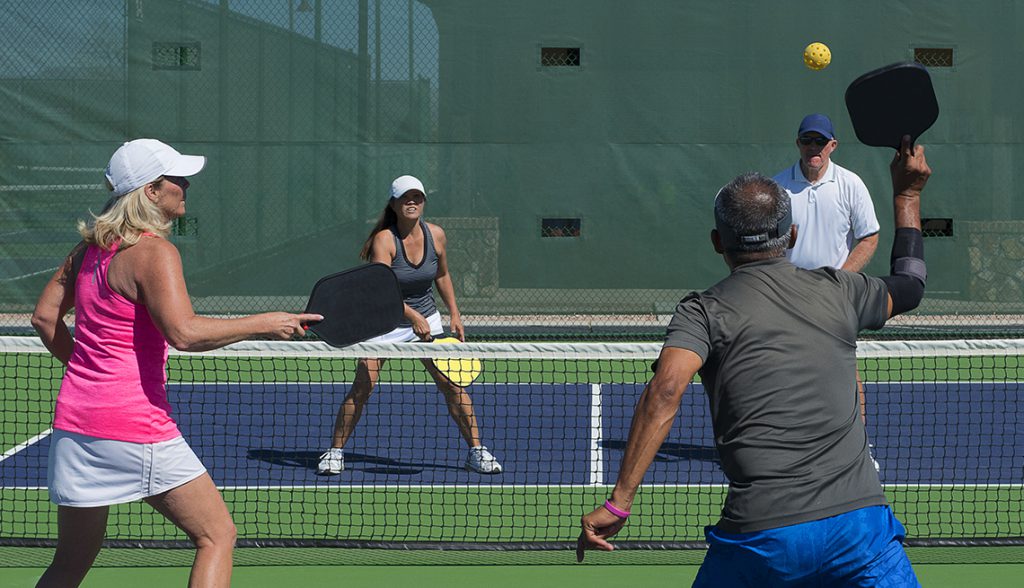
Pickleball Pain Isn’t Something to “Play Through”
Pickleball is one of the fastest-growing sports in America, and it’s easy to see why. It’s social, fun, and easy to pick up. But the same things that make it so accessible also make it hard on the body. Quick lateral shifts, sudden stops, lunges at the kitchen line, and repetitive overhead swings add up, whether you’re 25 or 75.
Schedule an appointment
If pain or injury is keeping you from enjoying the game, don’t wait for it to get worse. Our team at Virginia Orthopedics and Sports Medicine in Fairfax, VA is here to help you get back on the court. Call us at (703) 646-1270 to schedule an evaluation.
Stephanie Singh, DO, is a board-certified orthopedic and sports medicine physician at Virginia Orthopedics and Sports Medicine.
Pickleball injuries, like broken bones from falls & ligament sprains, are rising. Prevent them by stretching, focusing on form, and wearing proper shoes.
- Physical Evaluation
- In-office Ultrasound
- Joint Injection
- Regenerative Medicine
- Physical Therapy
Common pickleball injuries
- Shoulder pain from serving, overheads, and repetitive swinging
- Elbow pain (the so-called “pickleball elbow”) from gripping and striking
- Knee pain from pivoting, lunging, and quick direction changes
- Ankle sprains from side-to-side movement and uneven landings
- Achilles and calf strains from explosive starts, especially after a long break from activity
- Low back pain from twisting and bending
Why waiting makes it worse
Most players do what most athletes do: ice it, tape it, and keep playing. Minor aches can resolve on their own, but pain that lingers, keeps returning, or changes how you move is your body telling you something. Playing through an untreated injury can lead to compensation patterns, which can mean new problems in other areas, and a longer road back to the court.
Signs it’s time to be seen
- Pain that lasts more than a week or two
- Swelling, bruising, or stiffness that isn’t improving
- A feeling of instability or giving way
- Pain that wakes you at night or limits everyday activities
- Needing to change how you play to avoid the pain
Early evaluation means faster recovery
You don’t need to be a competitive athlete to benefit from a sports medicine evaluation. A proper diagnosis and a treatment plan tailored to you can ease pain, protect the joint or tendon, and get you back to playing faster and more safely. Whether you’re a weekend warrior or play every day, catching a problem early usually means a simpler fix.
Joint health importance and improvement should be part of our daily regiment
Ways to improve bone and joint health include a diet rich in fresh fruits and vegetables. Leafy greens are especially rich in calcium and other minerals that can help both your joints and bones. If you exercise, be sure to choose low impact exercises that do not place too much strain on your joints. Many people choose walking, cycling or swimming to stay in shape. Yoga and gentle stretching can help keep your joints more flexible, too. Lifting small weights can also improve your bone density.
Exercise also improves mood, reduces stress and boosts your immune system. The best time to fight osteoporosis is before it begins. Bone and joint health are a part of your overall wellness. You should also talk to your doctor, as certain medications (even over the counter ones), can leech calcium from your bones.
If you or your loved ones are experiencing knee from pickleball or any other sports contact us for diagnosis, treatment, and future prevention.
3998 Fair Ridge Dr., Suite 125
Fairfax, VA 22030
703-646-1270
Hours:
Monday - Friday
8am - 4pm


